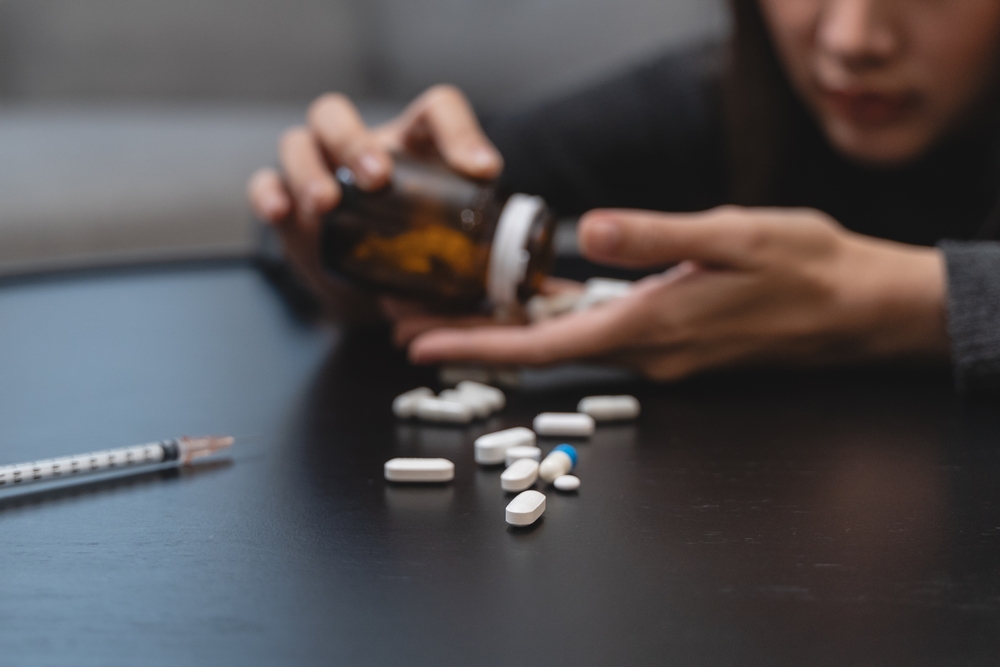
When someone enters a rehab facility in Florida for addiction, behavioral health treatment, dual-diagnosis support, or something else, they expect more than just structure. They expect safety. Patients in these settings are often in vulnerable physical, emotional, or mental states. For that reason, rehab centers have a legal and ethical obligation to provide appropriate supervision.
Improper supervision in Florida rehab facilities can lead to serious injuries, overdoses, disappearances, and even deaths. These incidents aren’t always unforeseeable accidents. In many cases, they’re the preventable outcomes of inadequate staffing, poor training, or negligent oversight.
When a system intended to help your loved one harms them instead, the consequences can be life-altering. You may feel betrayed, heartbroken, and unsure of what legal rights you have when the system fails you.
If your loved one was injured or harmed due to a lack of supervision in a Florida treatment center, a lawyer with experience in rehab neglect cases can help investigate the circumstances and fight for accountability.
Schedule Your Free Consultation
Key takeaways for improper supervision in Florida rehab facilities
- Florida rehab centers have a legal duty to provide safe, attentive care for all patients.
- Improper supervision can lead to falls, elopement (unauthorized departures), overdoses, or physical harm.
- Florida law recognizes patient rights and allows legal claims in cases of neglect or abuse.
- Family members can often pursue action if a loved one was injured in a rehab facility due to inadequate oversight.
- A personal injury attorney can evaluate the circumstances and help protect your rights under Florida law.
What Improper Supervision Looks Like in a Rehab Setting
Supervision in a rehab facility involves being alert, responsive, and fully engaged with each patient’s needs. Staff must pay attention to warning signs, follow safety protocols, and step in immediately when a patient’s condition changes.
Whenever there is a lapse in care and the system fails to function correctly, patients in crisis may suffer severe or even fatal outcomes. Below are some of the most common forms of improper supervision that may indicate negligence in Florida rehab centers.
Failing to monitor high-risk patients
Some patients enter rehab with a known history of self-harm, suicide attempts, or drug overdose. Facilities must assess this risk upon intake and provide enhanced supervision. When those individuals are left unattended or monitored only sporadically, they may attempt harmful behavior, sometimes with tragic results.
Inadequate overnight staffing
Neglect often occurs during nighttime hours when staffing tends to be lowest. Patients may experience withdrawal symptoms, mental health episodes, or medical emergencies that require urgent care. If no trained staff are available to respond, a delay of even a few minutes can make the difference between recovery and irreversible harm.
Allowing unauthorized departures (elopement)
Elopement occurs when a patient leaves the facility without permission or supervision. Rehab centers must prevent this by securing entrances and monitoring patient movement. If a patient leaves the premises and is injured, lost, or relapses, the facility may be held responsible.
Delayed response to medical or behavioral emergencies
Timely intervention is a core part of safe rehab care. If a patient is having a seizure, an allergic reaction, or a psychological crisis, staff must respond quickly and effectively. Delays often stem from inattentive monitoring or communication breakdowns between staff members.
Poor supervision during group activities or medication administration
Rehab programs often include group counseling, communal meals, and medication times. These moments require close supervision to prevent bullying, emotional escalation, or medication errors. Failing to manage these group settings creates risk for every patient involved.
Legal Duty of Rehab Facilities in Florida
Under Florida law, rehabilitation centers owe a duty of care or legal responsibility to their patients. This duty includes providing a safe, clean environment, adequate staffing, and proper monitoring. When facilities breach that duty and someone is harmed as a result, they may be liable for negligence.
The Florida Statutes Chapter 397, which governs substance abuse services, outlines key regulatory standards for licensed rehab providers. In addition, facilities may be subject to oversight by the Florida Department of Children and Families (DCF) and the Agency for Health Care Administration (AHCA).
These standards exist to prevent:
- Patient exploitation or abuse
- Overcrowded or understaffed facilities
- Unsafe administration of medication
- Inadequate emergency response systems
If a rehab center fails to meet its obligations under these statutes, and a patient is harmed as a result, there may be grounds for legal action.
Types of Injuries Caused by Poor Supervision
Improper supervision doesn’t always result in immediate physical harm, but when it does, the effects are often severe. Because rehab patients are frequently in a fragile state, even minor lapses in care can become dangerous quickly.
Here are some of the most common injuries reported in Florida rehab negligence cases:
- Falls and fractures caused by unsupervised movement, especially among detoxing or elderly patients
- Overdoses due to access to drugs brought in by other patients or staff
- Physical assaults between patients or involving staff when supervision lapses
- Elopement injuries, such as being struck by a vehicle, exposed to danger, or going missing
- Medical complications from missed medication or untreated health episodes
These aren’t accidents in the traditional sense. In legal terms, they’re the result of foreseeable risk, often made worse by inadequate protocols or negligent staffing.
Signs of Neglect in a Florida Rehab Facility
Family members are often the first to notice something is wrong in a rehab facility. Unfortunately, rehab centers may not be transparent when incidents occur, especially if the facility fears liability. That’s why it’s critical to look for warning signs.
If you’re concerned about possible neglect, watch for the following red flags:
- Sudden or unexplained injuries with vague explanations from staff
- Frequent sedation or unusual changes in your loved one’s behavior
- Restricted contact with your loved one or refusal to allow visitation
- Repeated elopement attempts or unexplained absences
- Delayed responses when requesting medical records or incident reports
A single incident may be enough to raise suspicion. But a pattern of avoidance or evasive behavior from the facility should not be ignored.
Three Core Failures That Lead to Injury
Negligence in a Florida rehab setting often comes down to three common failures. Each one creates dangerous conditions for patients and exposes facilities to legal liability.
Inadequate staffing levels
Florida law requires licensed facilities to meet minimum staffing ratios. Yet many centers operate short-staffed, especially at night or during weekends. When there aren’t enough trained personnel on duty, critical signs of distress may go unnoticed.
Lack of staff training
Staff must be trained to recognize medical emergencies, de-escalate conflict, and support patients with dual diagnoses. Inadequate training often leads to delayed reactions or unsafe restraint practices.
Poor patient risk assessments
Rehab facilities must evaluate each patient’s supervision needs upon admission and throughout treatment. If those assessments are skipped or not updated, patients may be left without the necessary care protocols in place.
Each of these failures has one thing in common: they reflect a breakdown in basic, required standards of care.
How Does Florida Law Define Negligence in Rehab Settings?

To pursue a personal injury claim for improper supervision, the law requires establishing four elements of negligence. Together, these elements show that the facility failed in its duty to protect patients and that the failure resulted in injuries and losses. This is the foundation of a negligence claim under Florida law.
To prove negligence, a legal claim generally needs to establish:
- The facility had a duty of care to the patient
- That duty was breached through action or inaction
- The breach directly caused injury, illness, or death
- The injury led to measurable damages (financial, physical, or emotional)
Negligence cases involving rehab centers may also include violations of administrative rules, licensing requirements, or state-level patient protection laws. A qualified attorney will look at both statutory violations and common law principles when building a case.
How Families Can Take Action After a Rehab Injury
When a loved one suffers harm in a rehab facility, families often feel a mix of anger, guilt, and helplessness. But legal action isn't just about accountability—it’s about uncovering what happened and protecting others from going through the same thing.
If you suspect your loved one was injured due to improper supervision, your next steps matter. Early documentation and legal guidance can significantly strengthen your position.
What to Document if You Suspect Negligence in a Florida Rehab Facility
Rehab facilities in Florida are legally required to keep detailed records about each patient’s treatment, supervision, and incidents. However, those records aren’t always easy to access, and families often struggle to get clear answers.
A personal injury lawyer can handle that process for you by requesting records, reviewing timelines, and identifying where the facility may have failed its legal duties.
Still, if you have access to anything that could help clarify what happened, even small details can support a stronger case. Give any information you have collected to your attorney.
Here are a few examples of helpful information you may be able to gather or share with your legal team:
- Photos of visible injuries or unsafe conditions inside the facility
- Messages or notes from your loved one about how they were treated
- Names of staff members or other patients who witnessed the incident
- Dates and times of visits, unusual behavior, or troubling phone calls
- Copies of any medical records or incident reports you’ve already received
Even if you don’t have any of this information yet, that’s okay. A qualified Florida personal injury lawyer will know how to get the documents and evidence needed to build a claim. What matters most is reaching out as soon as possible so your lawyer can preserve those records before they’re lost or altered.
Who May Be Liable for Improper Supervision in Rehab Facilities
Multiple parties may share legal responsibility for a patient’s injury in a rehab setting. Determining liability requires a close look at what happened, who was involved, and whether policies were followed.
The rehab facility itself
Licensed facilities are responsible for their staff, systems, and patient care protocols. They may be directly liable if they failed to screen employees, ignored safety concerns, or violated state regulations.
Individual staff members
If an injury stems from the misconduct of a nurse, counselor, technician, or administrative staff member, that person may be named in a lawsuit—especially if their behavior was reckless or abusive.
Third-party contractors or transport services
In some cases, facilities outsource parts of patient care to third parties, such as transportation or private security. If someone from one of these groups acted negligently, they may share liability.
Responsibility often overlaps. A skilled attorney will trace the chain of events, identify policy breakdowns, and pursue every available legal avenue.
When Improper Supervision Becomes a Civil Rights Violation
In some cases, poor supervision is more than negligence—it’s a violation of fundamental rights. Federal law, including the Civil Rights of Institutionalized Persons Act (CRIPA), protects individuals receiving care in public or privately operated institutions.
These civil rights protections may apply when:
- A facility knowingly ignores unsafe conditions
- Patients are isolated or restrained without legal justification
- Staff use intimidation to prevent complaints or conceal harm
- There is a pattern of patient mistreatment or underreporting
If the situation rises to this level, your lawyer may involve federal oversight agencies or pursue a claim under 42 U.S. Code § 1983 for violations of constitutional rights.
FAQs About Improper Supervision in Florida Rehab Facilities
What qualifies as improper supervision in a Florida rehab center?
Improper supervision includes any failure to reasonably monitor patients based on their known needs and risks. This might include understaffing, delayed emergency responses, or allowing patients to harm themselves or others due to a lack of oversight.
Can I report a Florida rehab facility for unsafe conditions?
Yes. You can file a complaint with the Florida Department of Children and Families (DCF) or Agency for Health Care Administration (AHCA), which license and oversee rehab facilities in Florida. If you believe a crime occurred, you may also contact local law enforcement.
What happens if a patient overdoses in rehab?
If the overdose occurred because staff failed to prevent access to drugs, did not monitor the patient properly, or ignored warning signs, the facility may be liable for negligence or wrongful death. These cases often involve a failure in protocols or supervision.
How long do I have to take legal action?
In Florida, you must file a personal injury claim within two years from the date of injury, per the state’s statute of limitations. However, timelines can vary if government entities are involved or if the injury wasn't discovered right away. Speak with a lawyer as soon as possible to avoid missing important deadlines.
Do I need my loved one’s permission to pursue a claim?
If your loved one is a legal adult and capable of making decisions, they must generally consent to legal action. However, if they are incapacitated or deceased, a family member or appointed representative may be able to act on their behalf.
Consult a Florida Personal Injury Lawyer Who Understands Institutional Neglect

Rehab should be a place of safety, care, and recovery. When that trust is broken, the damage reaches far beyond the injury itself. If someone you love was hurt because a Florida rehab facility failed to supervise them, you have every right to ask hard questions and to expect real answers.
At Spetsas Buist, we help families who've lived through the trauma of institutional neglect. We know what to look for. We know how to uncover what happened behind closed doors. And we know how to hold facilities accountable when they put lives at risk.
You’ll work directly with a lawyer who listens, explains, and gives your case the focused attention it deserves. We don’t rush people. We don’t cut corners. We build strong cases because we take the time to get it right.Call (321) 352-7588 or contact us online to schedule your free consultation. Let’s talk about what happened and what you can do next.