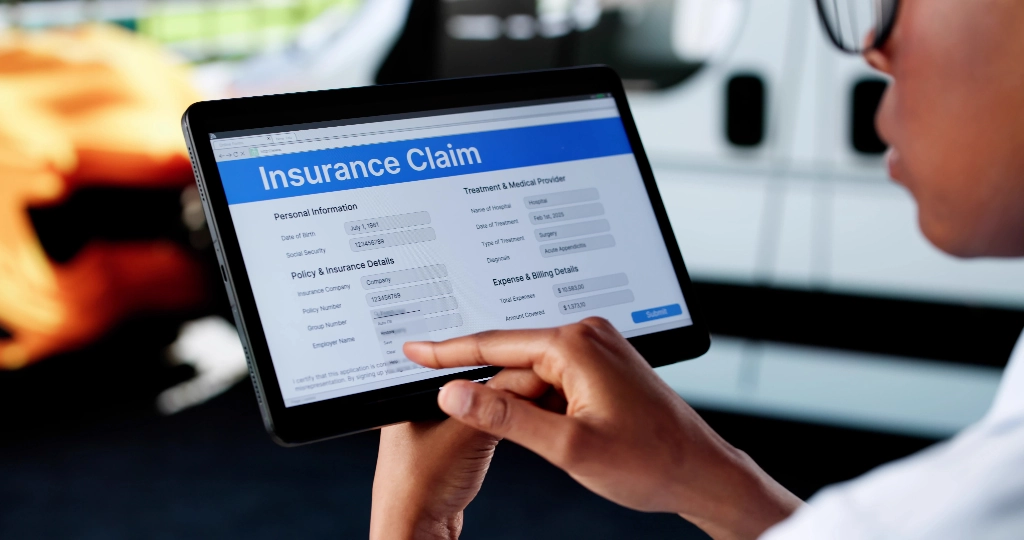
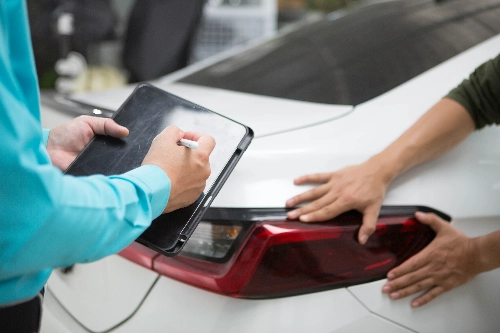
When dealing with vehicle damage claims, it's crucial to understand the process and your rights as a driver. Realizing how to manage these cases can be critical, regardless of whether you are responsible for the accident or not.
The role of insurance companies in vehicle damage claims is often complex and sometimes contentious. They have their tactics for minimizing payouts, which could leave you short-changed if you don't know how to counter them effectively. Determining the fair market value of your vehicle is a major step toward successfully navigating vehicle damage claims, and disagreements over proper valuation can lead to disputes with the insurance company that may prolong resolution of your claim.
In this article, we will attempt to equip Florida drivers with knowledge on handling vehicle damage claims efficiently after an Orlando car accident. From understanding basic concepts like "total loss" declarations by insurers, to pursuing a damage claim after an accident and navigating repair cost disputes, we will talk about how a person might approach dealing with insurance companies and getting properly compensated for property losses. A car accident is always an inconvenience or worse, but if you know how to handle the process, you can save yourself time and money.
Understanding the Basics of Vehicle Damage Claims in Orlando, Florida
When we're talking about Florida vehicle damage claims, it's essential to determine who was at fault in a car accident. If another party is found to be responsible for the incident, their insurance company will likely pay for your damages out of the driver's property damage liability (PDL) coverage. On the other hand, if you are deemed at fault, or if there exists an underinsured motorist coverage issue, then your own insurance policy may kick into action.
This highlights why having comprehensive and collision coverages as part of your auto insurance policy can be a lifesaver after getting into a motor vehicle accident. These policies and coverages can help cover repair costs when you're involved in accidents where either (2) you were at fault or (2) the other driver wasn't adequately insured.
Different states have different regulations concerning car accidents and no-fault claims. In Florida specifically, personal injury protection (PIP) covers each driver's injuries regardless of who caused the crash while property damage liability (PDL) covers the damages a driver causes to someone else's property. Florida requires drivers to carry a minimum of $10,000 in PIP and PDL coverages, so these policies are usually at play after a person gets into an auto accident in Orlando.
The Role of Deductibles
If situations arise during vehicle damage claims where your own insurance comes into play (i.e., you're at fault or the other driver doesn't have insurance), deductibles become important factors worth considering. A deductible is the sum that you must pay out-of-pocket before the insurance policy kicks in and starts paying.
For example, if repairs to a vehicle after an accident cost $1,000, and the deductible is $500, the person seeking payment from the insurance company must pay the first $500 (the deductible), and then the insurance policy will kick in and cover the damages above that $500. In this example, the claimant would pay the $500, and the insurance company would pay the remaining $500.
Total Loss Scenarios
A "total loss" condition occurs when repair expenses surpass a certain percentage threshold against the fair market value of the damaged vehicle. This is usually around 70%, but it varies from state to state and insurer to insurer. It's not uncommon for car accident vehicle damage claims to result in a total loss, especially when there's significant damage.
Rather than paying excessive repair charges exceeding this limit, insurers opt to pay the actual cash value of the vehicle, which essentially means the current market price minus any depreciation since the time of purchase. This scenario often surfaces more frequently than anticipated, making understanding total loss scenarios crucial if you get into an Orlando car accident.
The Role of Insurance Companies in Orlando Motor Vehicle Accident Damage Claims
Insurance companies play a crucial role in Orlando car accident vehicle damage claims. Insurance providers analyze the damage to a vehicle after an accident and determine how much they will cover for fixing or replacing the damaged vehicle. It's important to note that insurance companies aim to minimize costs whenever possible, and they will typically fight you from the moment the vehicle claims process begins. In other words, they aren't interested in doing the right thing or the fair thing, they want to pay the minimum without being penalized, sued, or sanctioned for bad faith practices.
If your car has sustained significant damage, there is a possibility that your insurer may declare it a "total loss." This typically occurs when the cost of repairs exceeds the current fair market value of your vehicle, as we talked about earlier in this article. In these types of vehicle damage claims, insurers prefer to simply pay you for the value of your vehicle before the vehicle was damaged in the accident (or what they believe your vehicle was worth) rather than pay for the repairs.
The decision to total a vehicle rather than pay for repairs involves complex calculations, taking into account factors such as depreciation rate and mileage. Insurers also compare repair estimates with other reliable sources for valuations. Ultimately, the insurance company's main goal is not to protect you but to pay out as little money as possible, and sometimes it makes sense to pay the value of the vehicle rather than attempt to repair it.
Determining the Fair Market Value of Your Vehicle After an Orlando Car Accident
When dealing with vehicle damage claims after an Orlando car accident, one crucial aspect of the process is understanding how to determine your vehicle's fair market value. In the context of vehicle damage claims in Florida, the "fair market value" can be thought of as the amount of money someone would be ready to pay for your vehicle in its present condition or in the condition it was in before the crash.
Obtaining Online Vehicle Valuations
In the vehicle accident claim context, factors such as age, mileage, and pre-existing damages play significant roles. There are various online resources available that can help you estimate the value of a vehicle accurately. EBaymotors.com and Kelley Blue Book, for instance, have extensive databases where you can input specific details about your vehicle and get an estimated value for that vehicle.
Obtaining Written Valuations
When the vehicle claims process begins, you need to be thinking about how to bring the strongest claim possible. To strengthen your position during insurance claim negotiations or when disputing the value of a damaged vehicle, you may be able to strengthen your position by gathering written valuations from multiple sources. These forms of evidence provide an accurate and objective picture regarding replacement costs if the vehicle were sold on the open market.
You should start by visiting websites dedicated specifically to automotive valuations and enter all relevant information about the make, model year manufactured, along with any additional features of your vehicle. Be sure to calculate the vehicle's value based on what it would have sold for prior to the motor vehicle accident. In other words, you want to know what the vehicle was worth immediately before it got damaged in the crash.
Estimates serve as a solid starting point for determining fair market value, but remember that they're just initial figures. Accordingly, further calculations might be needed, especially if disputes arise over price points during the negotiation process with insurance companies. Just be ready, because insurance companies often want to fight over value, and you need to be ready to substantiate the value of your vehicle with data and evidence if you want to get fair value for your vehicle.
The Process of Pursuing a Claim for Damages After an Accident
Once you're in a car crash in Florida, it's vital to comprehend the procedure for seeking compensation for the damage done to your vehicle. The first step is determining who was at fault for the incident. If another driver caused the collision or was at fault, their insurance company will cover your repair or replacement costs through the property damage liability coverage. If you are at fault and have comprehensive and collision coverage in your policy, your own insurance will come into play and pay for damages to your vehicle.
Steps to Take After a Motor Vehicle Accident
To initiate a vehicle accident claim with either your own insurer or the other party's insurer, follow these steps directly after an Orlando car accident:
- Contact law enforcement: Many states, such as Florida, require reporting auto accidents resulting in personal injury or significant property damage, as stated by the Florida Highway Safety and Motor Vehicles (FLHSMV).
- Gather evidence: This includes taking photographs of the vehicle damage, documenting scene details, and obtaining witness statements whenever possible. This critical phase is essential when initiating any kind of vehicle damage claim or personal injury claim.
- Notify insurers promptly: Immediately inform both your insurance company and the other party's insurance company about the accident, providing the basic information about what happened. This will allow them to start processing your claim right away.
Be very careful what you say to insurance company employees because they will use anything and everything you say to minimize or deny your claim. Before speaking with the insurance company and providing them with details about the motor vehicle accident, you should consider speaking with a personal injury attorney if you've been injured. You can do serious damage to your injury claim and cost yourself a lot of money if you go into a recorded statement unprepared.
Navigating Disputes with Insurance Companies After Car Accidents
In some instances involving car accidents, disputes may arise over culpability or the cost of repairs versus replacing damaged cars outright. These types of disputes will almost certainly arise if you are seeking compensation for your injuries in addition to your property damage. Although most folks can handle the property damage portion of their case without going through litigation, the personal injury side of a car accident can be very tricky, and this is where you should seriously consider seeking legal help.
When disagreements occur between drivers or between drivers and their respective insurers, a skilled Orlando car accident attorney at our office can effectively engage in negotiations and bolster your injury claim. Our car accident lawyers can help you when the at-fault driver's insurance company fights your bodily injury claim or when your own insurer doesn't agree on fair compensation amounts within the policy limit.
Navigating Disputes Over Repair or Replacement Costs
Disputes in vehicle damage claims can involve the type of parts used, labor charges and whether repair or replacement is necessary. In an attempt to minimize their payout, insurance companies may suggest using aftermarket components instead of original equipment manufacturer (OEM) parts.
While these alternatives are generally cheaper, they might not match up in terms of fit and durability when compared to OEM counterparts. Accordingly, it's crucial that you're aware of your rights under Florida law so your vehicle gets proper repairs.
Contending With Used Parts and Non-OEM Components
If an insurer proposes using replacement parts or non-OEM parts to repair your vehicle's damage after an Orlando car accident, knowing how to respond is vital. You can rightfully demand proper vehicle parts if those were the parts originally fitted in your vehicle prior to the motor vehicle accident.
However, bear in mind that some insurance policies only cover "like kind" materials, which could mean second-hand options are permissible. Thus, your insurance policy may affect the quality of parts can be installed in your vehicle during the repair process. You can be sure that the insurance company will pay no more than they have to under the terms of the policy.
Strategies For Negotiating With Florida Insurance Companies After a Motor Vehicle Accident
To ensure fair treatment from auto insurers regarding expenses and repairs following Florida auto accidents, you need to understand how best to handle the insurance company's representatives. For example, one successful tactic includes presenting written quotes from trusted auto body shops outlining why certain repairs are necessary, along with justification for the use of new OEM parts rather than lower cost substitutes that insurers may suggest using.
Dealing with Insurance Companies When You're Not At Fault
In an Orlando car accident where you are not at fault, it's crucial to understand that the insurance company of the other driver has an obligation towards your vehicle damage claims and your injury claims under the PDL and bodily injury portions of the policy. As soon as possible after the incident, giving notice to the other driver's insurance company is key to get them started investigating and processing your claim. However, be careful what you say because the other driver's insurance company will be working diligently to pay you as little money as possible, and anything you say to them could be used to deny or minimize your claim.
Gathering Comprehensive Evidence
The gathering of comprehensive evidence supporting your claim can ensure fair compensation. This includes photographs depicting damages, copies of police reports or witness statements, if available, and medical records related to injuries from the accident.
Tracking Expenses
Also, keep track of all expenses due to the accident such as rental car costs or transportation fees while repairing your vehicle. Under Florida law, these damages are often recoverable from the insurer of the at-fault party.
Navigating Communication With The Other Party's Insurer
Your communication style when dealing with another driver's insurance provider can significantly influence how smoothly your claims process begins and ends. Try to remain professional during discussions about crash details or repair cost negotiations.
Avoid accepting initial settlement offers that seem low for the damage to your vehicle. If you're injured, you shouldn't accept a settlement offer without first consulting a skilled Orlando auto accident attorney who understands how to properly value a personal injury claim. At the very least, view educational resources on this topic before making any decisions because once you sign a release of claims, you cannot seek compensation from that party again.
Steps to Take When Your Vehicle is Deemed a Total Loss
In the aftermath of car accidents, insurance companies may declare your vehicle as a "total loss." This essentially means that the cost of repairs surpasses its actual cash value (ACV). It's essential to know how you can effectively navigate this process and get fair compensation. Here are three key steps: understanding what total loss entails, negotiating with your insurer, and considering more serious options if casual negotiations fail.
Total Loss Explained
A total loss situation arises when repair costs of a damaged vehicle exceed the actual cash value, which represents the pre-accident market worth. Florida law allows insurers to label vehicles as "total losses" once repair expenses reach 80% or more of their ACVs. Grasping these details will give you an edge in any ensuing discussions with your insurance company.
Negotiating With Insurance Companies Over Claims Process
The initial stage of negotiations for property damage claims involves determining who is at fault for the accident. If the other driver is not at fault or if the insurance company has a strong argument that the other driver is not at fault, they may not offer to repair your vehicle. If the other driver is at fault, however, you can access the property damage liability coverage to get repairs to your vehicle.
Next, you'll work to establish what you're owed for the damage the at-fault driver did to your vehicle. Generally, folks are only carrying $10,000 in property damage liability coverage, and this may not be sufficient to cover all the damage done to your vehicle. Thus, you may have to work with your insurance policy as well to get enough coverage to repair or replace your vehicle.
Insurance companies generally owe either replacement costs for totaled cars or their pre-crash cash values minus applicable deductible amounts, depending upon the auto insurance policy. If there's disagreement over valuations - which is usually because the insurance company undervalued your vehicle because they don't want to pay - you can evidence such as recent upgrades made on the vehicle or comparable listings showing higher prices than those quoted by the insurance company. Ultimately, you need to provide evidence to bolster your valuation during negotiations.
Filing Complaints or Hiring Skilled Car Accident Attorney
Persisting disputes might necessitate filing complaints with relevant authorities like Florida's Department of Financial Services Division of Consumer Services. Alternatively, you may want to seek the help of an attorney to help you deal with the insurance company.
Ultimately, their business is all about risk versus reward, and thus they tend to loosen up and do the right thing when you file a complaint or get an attorney involved. Unfortunately, this is just the nature of the insurance business; they will bully you as long as they think they can get away with it. However, getting an attorney involved in property damage claims usually doesn't make sense because there's not enough money at stake to justify paying a lawyer, so you want to do what you can to resolve the property damage claim so you can have enough money to get your car fixed.
FAQs in Relation to Vehicle Damage Claims
What should you not say when making an insurance claim after a motor vehicle accident in Florida?
Avoid admitting fault, speculating about damages or injuries, and providing unnecessary details. Stick to the facts of the incident. If you're seriously injured and there's a lot of money at stake, make sure you have an attorney by your side at all times to guard your interests.
How do you value a car with damage after an accident?
You can determine your vehicle's fair market value using resources like BlueBook.com or Edmunds.com, then subtract estimated repair costs. With all the excellent resources available, you can easily come up with an accurate value for your vehicle.
How do you process an auto accident claim after getting into a motor vehicle accident in Orlando, Florida?
Contact your insurer promptly after an accident, provide necessary documentation such as police reports and photos, cooperate with adjusters during the investigation, and negotiate settlement terms if needed.
How long do you have to file an injury claim after a motor vehicle accident in Florida?
In Florida, drivers generally have two (2) years from the date of the accident to file a personal injury lawsuit.
Does PIP Insurance in Florida Cover Auto Damage?
No. Personal Injury Protection (PIP) in Florida covers medical expenses and lost wages up to specified limits regardless of fault, but it does not cover damage to vehicles. Instead, vehicle damage is handled by separate coverages such as collision, comprehensive, or the at-fault driver’s Property Damage Liability (PDL) policy.
Who Pays for Car Damage in a No Fault State?
In Florida’s no-fault system, for property damage you generally look to the at-fault driver’s Property Damage Liability (PDL) insurance, because fault governs vehicle damage claims, not PIP. If you caused the damage, your own PDL policy or optional collision/comprehensive will apply; if another driver caused it and was insured, their PDL should cover you.
How Long Do You Have to File a Property Damage Claim?
The statute of limitations for property damage actions stemming from negligence is generally 2 years under Florida Statute § 95.11. Insurance policies may impose shorter contractual deadlines, so you should notify the insurer and file the claim as soon as possible. If you wait too long, you risk denial or loss of evidence and potential legal remedy.
How Do You File a Property Damage Claim for a Car Accident in Florida?
Start by notifying your insurer immediately and providing them with the police report, photos of the damage, witness information, and any repair estimates. If the other driver is at fault, you may instead file a claim with their insurer under their PDL policy or raise your own collision coverage claim while subrogation or reimbursement may follow. Ensure you preserve evidence, repair receipts, and documentation of damage and costs.
How Do You Write a Damage Report?
A damage report should clearly identify the vehicles involved, the date/time and location of the accident, a description of how the crash occurred, detailed damage visible on each vehicle (with photos), and any hazardous road conditions or contributing factors. Use factual language and avoid assigning blame; simply document what you observed and what damage resulted. Attach relevant evidence such as photos, witness contact info, and the police crash‐report number to support your claim.
What Does Property Damage Mean in Auto Insurance?
Property damage in auto insurance refers to harm caused to another person’s property—such as their vehicle, fence, building, or other structure—by your insured vehicle or one you drive with permission. In Florida, the mandatory Property Damage Liability (PDL) coverage pays for that damage if you are at fault. It does not include damage to your own vehicle—that would come under collision or your own property damage coverage.
How Do You Claim Property Damage?
To claim property damage, notify the at-fault driver’s insurer (or your insurer if you have collision/comprehensive) as soon as possible, provide proof of loss (photos, repair estimates, police report), and cooperate with their investigation. Obtain written estimates or invoices for repair, keep all documentation of costs, and follow your insurer’s claim process or their request for information. If the insurer denies or undervalues the claim, you can negotiate or pursue legal action within limits.
How Much Property Damage Coverage Do I Need?
The minimum required in Florida for Property Damage Liability (PDL) is $10,000. However, in serious incidents vehicle repair or replacement costs may significantly exceed that, so many drivers opt for higher limits and collision/comprehensive coverage to protect their own vehicle and assets. Evaluate your vehicle’s value, typical repair costs in your area, and if you owe a loan or lease to determine an appropriate coverage level.
What Is the Monetary Amount of Damage to a Vehicle?
The monetary amount of damage to a vehicle is determined by repair estimates or the actual cost to restore it to pre-accident condition (parts, labor, paint, alignment). If repair costs approach or exceed the vehicle’s fair market value, the insurer may declare it a total loss and pay the actual cash value instead of repair. Always get more than one estimate and document hidden damage (like frame or mechanical issues) as part of your claim.
What Is a Release of Property Damage Claim?
A release of property damage claim is a document you sign agreeing that the insurer’s payment for repairs (or total loss settlement) satisfies your rights to pursue further property damage compensation for that incident. By signing such a release, you typically give up any future claim against that insurer or party for vehicle damage from the same accident. You should review the release carefully to ensure it covers only what you intend to release (vehicle damage) and not unrelated claims like hidden mechanical damage or uninsured losses.