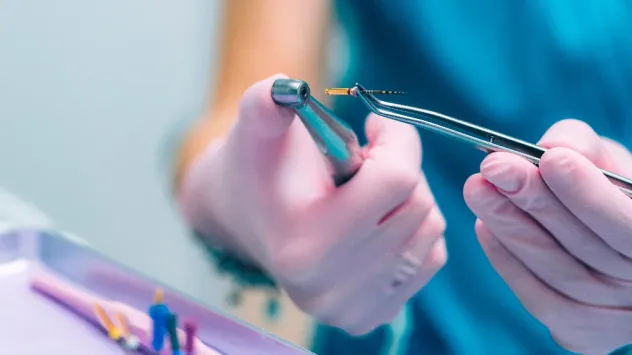
Root canal nerve damage can be very serious and can cause extreme pain, as well as permanent numbness and disability. Typically, this type of thing only occurs when a dentist acts negligently. In fact, these are some of the more serious types of dental malpractice cases.
If you had a root canal procedure and are experience numbness or odd feelings, like tingling or burning or some other odd sensation, you may have suffered nerve damage. If that is the case, you should speak to a dental malpractice lawyer at the soonest possible opportunity to make sure your rights are protected.
Schedule Your Free Consultation
Root Canal Procedure Explained
A root canal procedure involves removing the pulp from the inside of the tooth. A root canal is one of the last lines of defense for a natural tooth, after a filling and a crown. In other words, if a filling or a crown can’t save the tooth, a root canal may be the final option before the tooth must be extracted.
The purpose of the root canal is to save your natural tooth. Having no tooth is horrible, and having a prosthetic is typically not as good as a natural tooth. As great as dental implants are, they are nevertheless a prosthetic and require more upkeep and multiple procedures. Therefore, if possible, it is typically best to keep natural teeth as long as the natural tooth can be kept healthy.
To perform a root canal procedure, the dentist will usually administer an anesthetic to numb the patient. Then, the dentist will grind away enough of the face of the tooth to properly expose the canals. After that, the dentist will use a hand file or a rotary file to carefully remove the pulp of the tooth from each canal. During the root canal process, the dentist may take x-rays to determine the depth of each canal. Once the depth is determined, the dentist may use a little rubber stop on the file to prevent the file from going any deeper than necessary. After the pulp has been removed, the dentist will clean out the canals with a solution and disinfect them. Once the canals are disinfected and cleaned, the dentist will carefully pack a rubbery material called gutta-percha into each of the canals. The dentist will seal up the canals with a filling-like material, leaving behind a structure that is like a crown-prepped tooth. Finally, the dentist will seat a crown over the top of the tooth and filling material.
Root canals are complicated and tedious. Depending on where the tooth is located, the dentist may need to use a microscope to properly perform the procedure. Additionally, a dentist may need to take multiple x-rays to ensure that the pulp has been removed from the full length of the canal, all without puncturing the side of the root or the tip of the root. In other words, if the dentist does not clean the whole canal, the tooth may become seriously infected. If the dentist goes too deep, the dentist may reach into the patient’s underlying tissues or damage the underlying nerve.
Nerve Pain After Root Canal

There are many reasons a patient may experience nerve pain after a root canal procedure. The nerve pain may be associated with the tooth or an infection in the surrounding tissues. Alternatively, the nerve pain may be associated with damage to the lingual nerve or inferior alveolar nerve during the root canal procedure. Nerve pain relating to the tooth and the infection can cause serious pain and infection, and there may be permanent damage to surrounding tissues. Nerve pain relating to the trigeminal nerve could cause permanent odd sensations and numbness. Here are some of the common reasons a patient may experience nerve pain after a root canal.
- The dentist left bacteria inside of the tooth.
- The dentist missed a canal and left the pulp inside.
- The dentist punctured the side of the root and inflamed the surrounding tissue with the instrument, solutions, or material.
- The dentist punctured the apex (tip) of the root and damaged the inferior alveolar nerve (IAN).
- The dentist punctured the apex (tip) of the root and damaged the underlying bone.
Trigeminal Nerve Damage After Root Canal
The trigeminal nerve is vulnerable to damage after a root canal. The trigeminal nerve has two branches that are most injured during dental procedures: The inferior alveolar nerve and the lingual nerve. Trigeminal nerve injuries are the most serious kind of nerve damage after a root canal procedure and can cause excruciating pain and lifelong complications and disability.
Nerve Damage From Root Canal Symptoms
Symptoms of nerve damage from root canal procedures can vary. There are negative symptoms of nerve damage, which include loss of feeling and numbness. Additionally, there are positive symptoms of nerve damage, which includes tingling, burning, buzzing, or other odd sensations that were not present prior to the root canal procedure that damaged the nerve.
Typically, the most serious cases of nerve damage during root canal procedures involve damage to the inferior alveolar nerve. If you suffered damage to your inferior alveolar nerve during a root canal procedure, you may experience extreme pain, abnormal sensations, or numbness in the areas around your chin, your jaw, your lower teeth, or your lower lip. If you are experiencing symptoms of damage to your inferior alveolar nerve, you should contact a dental malpractice attorney as soon as possible.
Root Canal Overfill Nerve Damage
One of the most common causes of extremely serious nerve damage from a root canal procedure is overfill. As we discussed earlier, one of the steps in a root canal procedure is to pack the cleaned canals of the tooth with a material like gutta-percha or an endodontic sealer. Overfill occurs when the dentist packs too much material into the canal, and the excess material comes out of the tip of the root. In serious cases, the root canal overfill can intrude into the inferior alveolar nerve canal below, causing serious damage to the nerve.
Nerve Damage from Root Canal Instrument
Another common cause of serious nerve damage from a root canal is the root canal instrument itself. Sometimes, when a dentist is cleaning a canal, the dentist may extend the root canal instrument past the tip of the root and puncture the inferior alveolar nerve canal. In more serious cases, the root canal file may break, leaving a piece of the instrument extending into the inferior alveolar nerve canal. Nerve damage from a root canal instrument can cause severe and intense pain and suffering, as well as lifelong complications and disability.
Root Canal Nerve Damage Repair

Root canal nerve damage repair can vary from waiting to see how the nerve damage heals to surgery. The wait-and-see approach may depend upon the cause of the nerve damage. For example, there are studies that suggest causes involving chemical or material damage to the inferior alveolar nerve are less likely to heal than when the nerve is damaged by a file or an instrument. Thus, depending on how the nerve is damaged and the particular circumstances surrounding the nerve damage, the nerve may heal on its own.
Other times, root canal nerve damage repair may involve surgery. These types of surgeries could involve removing material from the inferior alveolar nerve canal or surgical debridement of the inferior alveolar nerve. Treatment for nerve damage after a root canal is highly dependent on the how the patient suffered nerve damage and what kind of damage the dentist did to the nerve and the nerve canal.
Contact a Medical Malpractice Lawyer at Spetsas Buist
If you need help from an medical malpractice lawyer, please don't hesitate to call our Orlando personal injury law firm at (321) LAWSUIT. At Spetsas Buist, we offer free legal consultations, and we're happy to help however we can.

Although most dental malpractice cases are often not financially viable, permanent nerve damage cases are often viable cases. We've handled many cases where people got turned down from many law firms that don't handle inferior alveolar nerve damage cases.
Whether a case is a viable or "good" case will depend on the severity of the nerve damage and how the nerve damage occurred. A case where there is severe and permanent damage with clear liability and breaches of the standard of care can result in a just outcome, even in Florida where doctors are seriously protected by the laws.
However, without serious and permanent damage, the medical bills often don't justify the tens of thousands of dollars it costs to hire expert witnesses, which is required in most states, including Florida. Sometimes, the only possible option it to file a complaint with the State Board of Dentistry. We can talk with you to help you better understand what we can do to help you and your legal rights.
Schedule Your Free Consultation
Nerve Damage After Root Canal FAQs
are root canals dangerous?
Root canals are generally safe when performed correctly, but they do carry risks—especially if the dentist fails to meet the accepted standard of care. Potential dangers include:
- Nerve damage caused by over-instrumentation or chemical irritation
- Perforation of the tooth root or surrounding structures
- Infection if canals are not properly cleaned or sealed
- Instrument fractures that lead to complications
- Persistent pain or numbness due to damaged nerves or untreated infection
What are the long term side effects of a root canal?
Long-term side effects are uncommon when the procedure is done correctly, but mistakes can cause lasting harm. Potential long-term issues include:
- Permanent nerve damage (lingual nerve, inferior alveolar nerve)
- Chronic pain or sensitivity
- Persistent or recurring infection
- Loss of taste or altered sensation
- Tooth fracture or loss requiring implants or bridges
- Jaw or facial numbness caused by chemical or mechanical injury
If the long-term complication was caused by negligent technique—such as overfilling, perforation, or failure to diagnose infection—you may have grounds for a malpractice claim.
What Are the Time Limits to File a Root Canal Nerve Damage Lawsuit in Florida?
Florida’s dental malpractice deadlines are strict. Under Florida Statutes §95.11(4)(b), you generally must file a claim:
- Within 2 years of the date the malpractice occurred OR
- Within 2 years of when you discovered (or should have discovered) the nerve injury
Because some patients don’t realize a nerve was injured until weeks or months after the root canal, the discovery rule can extend the filing window.
What Evidence Is Needed to Prove Nerve Damage from a Root Canal?
To prove nerve damage in a root canal malpractice case, strong documentation is essential. Useful evidence includes:
1. Dental Records & Treatment Notes
Show what the dentist did, what materials were used, and whether complications were documented.
2. X-Rays and CBCT Scans
Help demonstrate:
- Over-extended filling material contacting nerves
- Perforation of the canal or tooth root
- Inadequate cleaning or sealing
- Anatomical risks the dentist failed to assess
3. Second Opinions
An endodontist or oral surgeon can confirm whether the injury was avoidable and whether the standard of care was breached.
4. Symptom Documentation
Track numbness, tingling, burning, altered taste, or pain over time.
5. Expert Testimony
A qualified dental expert is required under Florida law to support your claim and confirm negligence.
6. Medical Bills & Financial Losses
Illustrate the damages caused by the injury, such as corrective root canal surgery, medications, or lost earnings.
Can I Still File a Claim If My Root Canal Was Done Years Ago but Symptoms Appeared Later?
Possibly—but Florida’s strict deadlines make timing crucial.
If your symptoms appeared later, the discovery rule may allow you to file within 2 years of when you discovered (or should have discovered) the injury.
However, the 4-year statute of repose usually bars claims filed more than four years after the procedure, even if you noticed symptoms late.
Does My Consent Form Protect the Dentist — What If I Wasn’t Fully Informed of Nerve Injury Risk?
A signed consent form does not automatically protect a dentist in Florida if you were not fully informed of the risk of nerve injury. Under Florida law, dentists must provide informed consent, which means they are required to explain:
- The material risks of the procedure
- Alternatives to treatment (including doing nothing)
- Whether your anatomy or condition increases the risk
- The potential for temporary or permanent nerve damage
If the dentist failed to discuss these risks, a consent form alone is not enough.