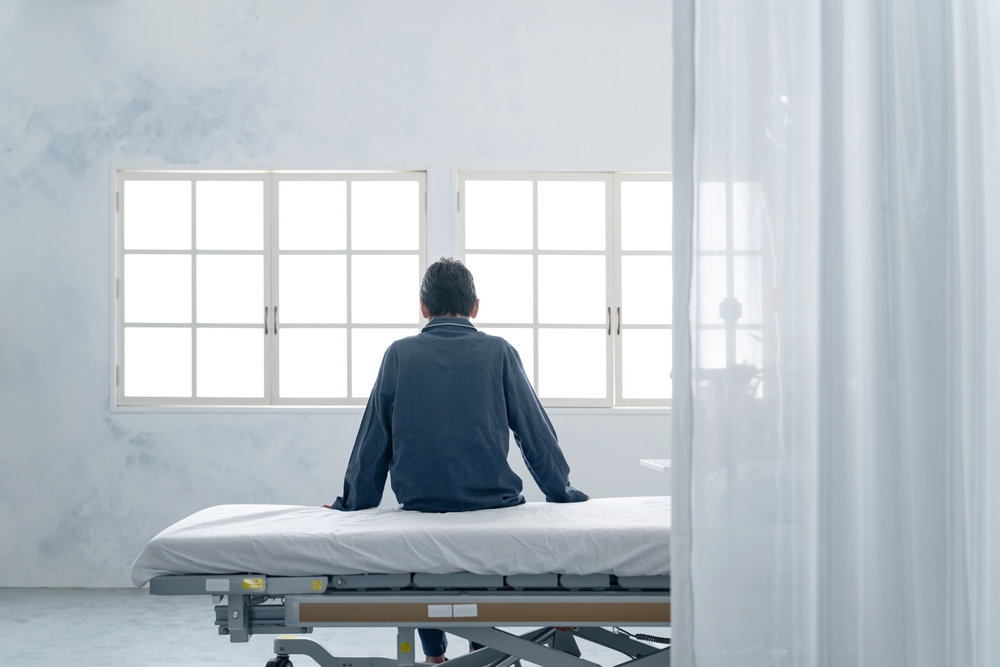
When a loved one is admitted to a mental health facility, families place enormous trust in the people running it. They assume staff members will provide consistent supervision, especially for patients experiencing severe psychological distress or suicidal ideation. Unfortunately, many Florida families discover too late that their trust was misplaced.
Florida mental health facility neglect takes many forms, but supervision failures often lie at the heart of the most serious injuries and deaths. Some facilities are understaffed. Others rely on underqualified workers or fail to follow basic safety protocols. When patients in crisis don’t receive the monitoring they need, the consequences can be irreversible.
Supervision failures in psychiatric institutions can lead to suicide attempts, assaults, self-harm, elopement, and medical deterioration. In the worst cases, they result in fatal injuries that could have been prevented with even minimal oversight.
If your loved one was harmed in one of these settings, a Florida personal injury lawyer may be able to help you hold the facility accountable under state law.
Schedule Your Free Consultation
Key Takeaways for Inadequate Supervision in Florida Mental Health Facilities
- Supervision failures in Florida psychiatric settings often result in preventable harm, including suicide attempts, assault, and medical decline.
- State law requires facilities to meet specific staffing and safety standards when caring for individuals with mental illness or cognitive impairments.
- Families may have a valid personal injury claim if a lack of supervision caused serious injury or death.
- Oversight agencies such as AHCA and DCF investigate facility violations but do not compensate victims directly.
- A Florida personal injury lawyer can help investigate the incident, determine if negligence occurred, and pursue legal action on your behalf.
Supervision Can Mean Life or Death in Florida Mental Health Facilities
A lack of supervision in a Florida mental health facility of any kind can become a life-altering failure.
Unlike general medical hospitals, psychiatric units and behavioral health centers confront unique risks. Patients may be a danger to themselves or others. They might require medication at scheduled times. They could wander off or experience hallucinations that impact their perception of reality.
Proper supervision is not optional. It’s a core duty of care. The facility agrees, either explicitly or implicitly, to monitor patients based on their diagnosis, behavior, and risk level. If they fail to do so and a patient suffers harm as a result, the consequences fall squarely on the institution.
Florida law supports this duty. The Florida Mental Health Act (also known as the Baker Act, Chapter 394, Florida Statutes) requires facilities to take appropriate precautions to protect the health and safety of patients admitted for evaluation or treatment. When those protections break down, liability may follow.
Common Outcomes of Inadequate Supervision in Florida Facilities
A lapse in supervision can last seconds or hours, but either way, the results can be catastrophic. Here are some of the most common outcomes families report when supervision fails in mental health institutions:
- Elopement or wandering off the property
- Suicide or suicide attempts due to a lack of monitoring
- Physical or sexual assault by other patients
- Severe self-harm or head trauma
- Medication errors or missed medical deterioration
- Falls, choking, or untreated seizures
Each of these outcomes is preventable in a properly managed facility. When they occur, they raise immediate questions about staffing levels, patient-to-caregiver ratios, and emergency response protocols.
Oversight and Accountability: Who Regulates These Facilities?
In Florida, several state agencies oversee the licensing and compliance of mental health facilities, including:
- Agency for Health Care Administration (AHCA): Regulates licensed facilities, inspects them for violations, and issues penalties.
- Department of Children and Families (DCF): Oversees public behavioral health services and investigates abuse or neglect.
- Florida’s Mental Health Program Office: Sets policies and standards for mental health treatment in the state.
These agencies monitor whether facilities are meeting minimum safety standards. But they do not represent individual patients or families in legal claims. If you want to pursue compensation, you’ll need to consult a personal injury attorney with experience handling institutional negligence cases.
What Constitutes Negligent Supervision in a Mental Health Setting?
Negligent supervision isn’t always obvious. You may not learn right away what happened behind closed doors. However, certain facility behaviors or a lack of them can indicate serious violations of their duty of care.
Here are some red flags that may point to negligent supervision:
- A facility cannot explain how an injury occurred
- Staff give conflicting stories about the timeline of events
- Medical records are missing or heavily redacted
- There was no camera footage during a critical time
- Other patients have filed similar complaints
If any of these apply, you may want to speak with a lawyer who can subpoena records and consult experts to determine whether proper protocols were followed.
When Does Supervision Become a Legal Duty?

Facilities that admit mental health patients are not babysitters. They are bound by state law to meet clear supervisory requirements. This becomes a legal duty of care when:
- A patient is admitted involuntarily under the Baker Act
- A patient is known to have suicidal thoughts or a history of violence
- The facility places the patient in a high-risk setting, such as seclusion or restraint
- Staff are made aware of specific concerns and fail to act
When a facility assumes control over a patient’s environment and decision-making, it also assumes responsibility for their safety. If that safety is breached due to inadequate supervision, Florida law allows injured individuals or surviving families to file a personal injury or wrongful death claim.
Proving a Florida Facility Failed in Its Responsibility
To pursue compensation, your case must show that the facility breached its legal obligations. This typically involves a four-part analysis:
Duty of Care
The facility owed the patient a duty to supervise based on their diagnosis, condition, and risk level.
Breach of Duty
There was a failure to monitor, protect, or respond in a way consistent with industry standards.
Causation
That failure directly led to injury, assault, suicide, or death.
Damages
The patient suffered either physical, emotional, or financial harm as a result.
In many cases, proving negligence requires a combination of medical records, incident reports, expert testimony, and interviews with staff or witnesses.
When Internal Policies Aren’t Enough
Some facilities will claim they followed their internal procedures, even when harm occurs. But internal policies are not a legal defense. The law requires them to meet professional standards of care — not simply their own checklists. When a facility’s policies fall below what is considered reasonable or safe, the facility may still be held accountable.
This is especially true if they knowingly understaffed a shift, failed to conduct a risk assessment, or ignored repeated red flags about a patient’s behavior.
Holding Psychiatric Facilities Accountable for the Harm They Cause
When supervision fails in a mental health setting, the consequences can be severe and long-lasting. The path to justice begins with understanding what legal options exist. In Florida, victims of psychiatric negligence or their families may file a civil claim to recover damages caused by the facility’s failure to supervise properly.
These claims are distinct from criminal charges or administrative investigations. The focus is on financial compensation for harm suffered, including:
- Medical expenses and hospitalization
- Ongoing mental health treatment or therapy
- Loss of earning capacity (for working adults)
- Pain and suffering
- Emotional distress
- Wrongful death damages, if applicable
Whether the injury involved self-harm, assault, suicide, or elopement, a civil lawsuit can hold the facility accountable and shine a light on dangerous practices that might otherwise go unreported.
Building a Strong Case Against a Florida Facility
To prove that inadequate supervision directly led to your loved one’s injury or death in a Florida mental health facility, your legal team will need to assemble a comprehensive picture of what happened and why.
Here are the most common components used to build a successful claim:
- Admission and treatment records showing risk factors and behavior patterns
- Staffing schedules and shift logs to determine whether the facility was understaffed
- Surveillance footage or security reports (if applicable)
- Incident reports that document when and how the injury occurred
- Expert witness analysis explaining what proper supervision should have looked like
- Prior complaints or violations filed with AHCA or DCF
Facilities are required to keep detailed records. If those records are missing, altered, or incomplete, that alone may point to negligence or possibly the concealment of evidence.
Deaths Linked to Negligent Supervision in Psychiatric Settings

Unfortunately, many supervision-related claims stem from tragedy. When a patient dies while in the care of a Florida mental health facility, surviving family members may pursue a wrongful death lawsuit under Florida’s Wrongful Death Act (Florida Statutes § 768.16–768.26).
These lawsuits often arise from:
- Suicide in an unsupervised room
- Physical assault by another patient
- Medical neglect (for example, untreated seizures or failure to monitor vital signs)
- Wandering off campus and suffering fatal injury
- Medication overdose or toxic reaction
Under Florida law, eligible survivors may include a spouse, children, or parents of the deceased. Damages may cover funeral expenses, emotional pain, lost companionship, and the loss of the decedent’s financial support.
Shifting Blame: When Facilities Claim It Wasn’t Their Fault
One common defense that facilities often use is to blame the victim, suggesting that their mental health condition made the injury unavoidable. But the law recognizes that psychiatric patients require extra protection, not less.
Florida’s legal system operates under a comparative fault model, meaning fault may be divided between multiple parties. However, that doesn’t let the facility off the hook. If they failed to follow standard supervision protocols, failed to monitor a known suicide risk, or left a patient alone in violation of their own care plan, they may still be held legally responsible for a portion or all of the damages.
Statutory Protections for Mental Health Patients in Florida
Florida law provides a series of legal protections for people receiving mental health treatment in both private and state-run facilities. These include:
- Right to receive treatment in the least restrictive environment
- Right to be free from abuse, neglect, and exploitation
- Right to prompt medical care and medication
- Right to protection from self-injury and harm by others
These rights appear in both the Florida Mental Health Act (Baker Act) and the Resident Bill of Rights under Florida Statutes Chapter 400. Violating these protections may serve as strong evidence in a civil claim, particularly when tied to a lapse in supervision.
Recognizing Signs of Facility Neglect Before It’s Too Late
Many families feel blindsided when something goes wrong, but often, there are early signs that supervision is lacking. Watching for these red flags can help you act before disaster strikes:
- Your loved one frequently seems sedated or confused
- Staff struggle to explain where a patient was during key times
- There are unexplained injuries or bruises
- Scheduled visits are delayed or suddenly restricted
- You receive vague answers when asking about care plans or staffing levels
If anything feels off, trust your instincts and begin documenting everything. These notes may become important later if you decide to take legal action.
FAQs About Negligence in Florida Psychiatric Hospitals
What legal options do families have after a supervision-related injury or death?
You may be entitled to file a personal injury or wrongful death claim against the facility. This type of lawsuit focuses on the facility’s failure to provide adequate supervision and seeks compensation for the harm caused.
Is there a deadline to file a lawsuit in Florida?
Yes. Most negligence and wrongful death lawsuits must be filed within two years under Florida Statutes § 95.11. However, the clock may start from the date the injury was discovered, not necessarily the date it occurred. Don’t wait to find out if your timeline is still open.
What if the facility blames my loved one’s mental illness for what happened?
Mental illness does not excuse neglect. In fact, it raises the duty of care. Florida law requires facilities to protect high-risk patients, including those with suicidal thoughts or violent tendencies. Blaming the victim is not a valid legal defense.
Seeking Justice for a Loved One Failed by the System
When mental health patients are harmed under the care of a licensed Florida facility, families deserve answers and accountability. These institutions are trusted to provide structure, safety, and support. When they ignore that responsibility, the consequences can be irreversible.
Fundamentally, inadequate supervision is a breakdown of human protection. And if your loved one suffered because of it, you don’t have to bear that burden alone.
Contact Spetsas Buist for Help with Facility Negligence Claims

If someone you care about was seriously harmed due to a lack of supervision in a Florida mental health facility, it’s time to speak with an attorney. At Spetsas Buist, we understand the weight of these cases and the frustration families feel when answers are hard to find.
Our team investigates psychiatric negligence cases throughout Florida, including those involving suicide, assault, elopement, and wrongful death. We’ll review the facts, consult expert witnesses, and pursue justice on your behalf.
Call us today at (321) 352-7588 or contact us online to schedule a free, confidential case review. You’ll speak directly with an attorney who will explain your options clearly and help you determine the best path forward.