
You can sue a dentist for bad dental work under a theory of dental negligence, which is also called dental malpractice. Dental malpractice is a form of medical malpractice that, you guessed it, is specific to medical malpractice committed during the rendering of dental treatment. In this article, we will talk about the five most common reasons for filing a dental malpractice lawsuit.
Dental malpractice lawsuits are not limited to only dentists. For example, a dental malpractice lawsuit may be brought against not only a dentist but also a dental hygienist, oral surgeon, prosthodontist, endodontist, or anyone else involved in the rendering of dental treatment. The key to a dental malpractice lawsuit is to prove that the clinician violated the standard of care in his or her field. Although dental malpractice law encompasses every imaginable dental incident that causes damage and pain, dental malpractice lawyers tend to see some of the same types of cases over and over again. That’s what this article is all about.
If you read this article and realize you may have been the victim of dental malpractice, we are happy to give you free time with a dental malpractice lawyer at our office. Our law firm offers free legal consultations, and our lawyers do consultations, not customer service representatives or any other type of non-attorney staff. If you need anything, don’t hesitate to reach out to us and set up a time to talk.
Schedule Your Free Consultation
what are common reasons for filing dental malpractice cases?
1. Failed Dental Implants
The failure of dental implants is one of the biggest dental malpractice issues today. There are several ways a dental implant procedure may harm the patient, and there are many ways a dental implant might fail. First, the dentist placing the implant does not have the proper credentials or experience required to correctly perform the procedure. There is an epidemic of untrained, novice dentists performing dental implant surgeries, and many people are getting hurt as a result.
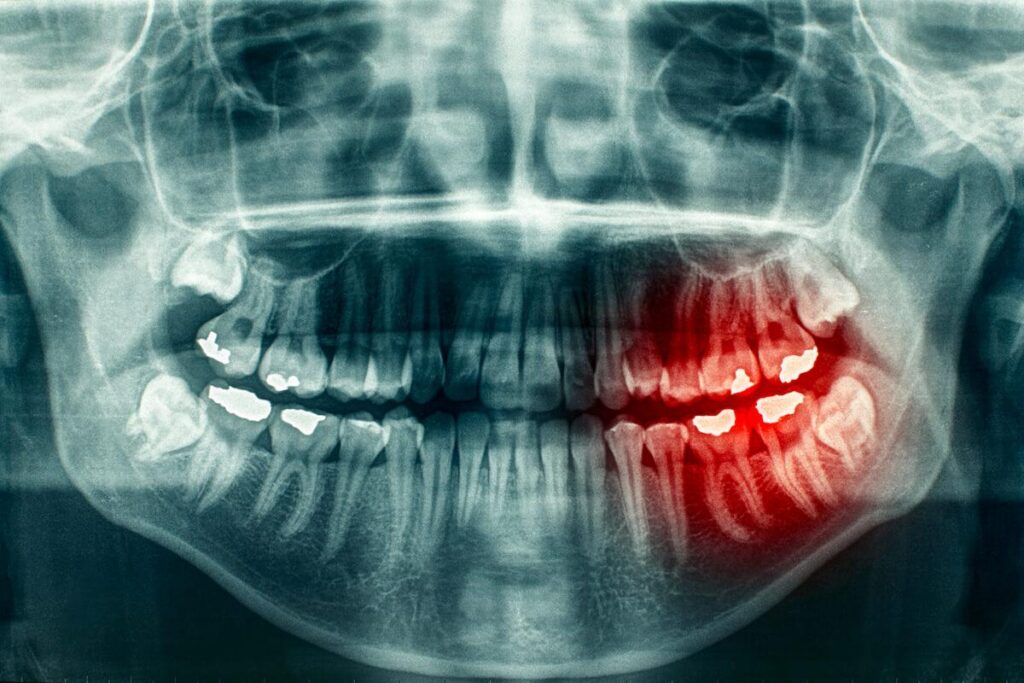
Second, a dentist may not have the imaging technology to engage in proper preoperative planning. Some dentists don’t properly plan for a dental implant procedure, and the dentist may not know enough about the anatomical structures surrounding the dental implant site before performing a dental implant procedure. As a result, the dentist may cause serious nerve damage by cutting the nerve or screwing the implant into the nerve. Alternatively, the same failure of planning could lead to the dentist placing mini dental implants in such a way that the mini dental implants migrate into the patient’s sinus and cause serious harm. This is textbook dental negligence.
Third, the dentist may not properly study the patient’s medical history. For example, the dentist should check to see whether the patient has high blood sugar, a condition that affects the immune system. The dentist should also check to see whether the patient has taken or is taking bisphosphonates or other drugs that might affect osseointegration and impede bone growth. Failure to do so can increase the risk that the patient will suffer serious harm or even die as a result of the dental implant surgery.
2. Procedures on the Wrong Tooth
You’d be surprised how often dentists extract the wrong tooth or perform a procedure on the wrong tooth. If a dentist pulls the wrong tooth or performs a root canal or some other procedure on the wrong tooth, this is absolutely inexcusable. It can only happen if the dentist gets sloppy or if the dentist rushes through a procedure. Whether the dentist is in too big of a hurry or just not being careful, the patient suffers, and thus this is a big reason for dental malpractice lawsuits.
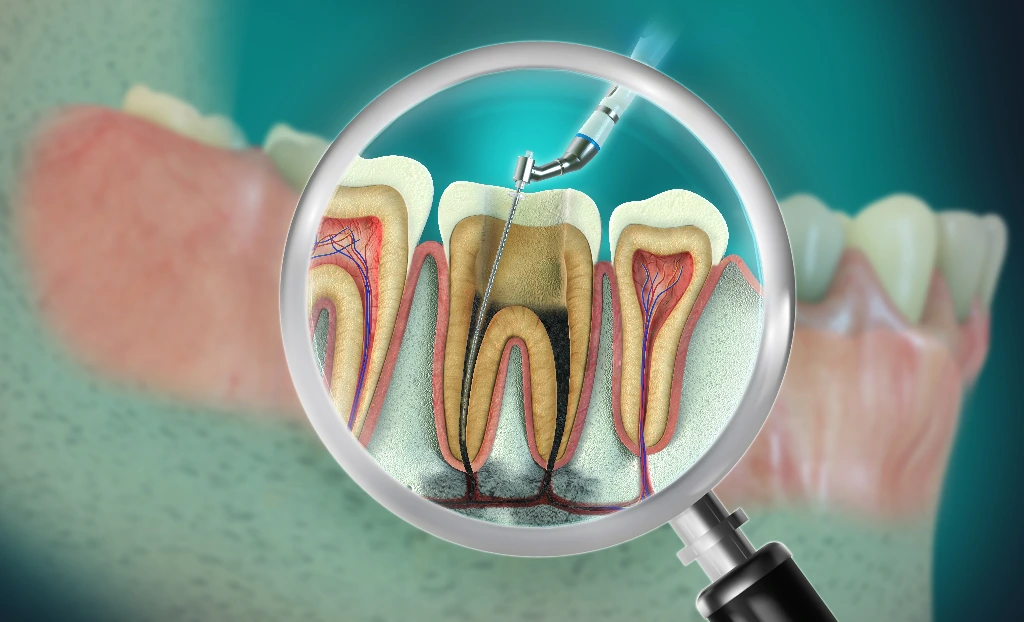
Some forms of dental malpractice are a bit more obvious than others. When a dentist works on the wrong tooth or pulls the wrong tooth, it’s very difficult for the defense to argue that the dentist did nothing wrong. Even the insurance companies’ most unscrupulous defense experts who love to claim dentists did nothing wrong in the face of the most egregious examples of dental malpractice have a hard time swearing that a procedure performed on the wrong tooth is acceptable dentistry. For that reason, these types of cases are some of the strongest, open-and-shut dental malpractice cases.
3. Pulling Teeth or Extractions
Extractions can be rough, and it often involves a lot of force and maneuvering to remove a tooth from someone’s jaw. Sometimes, people can get hurt badly during a tooth extraction. For example, a dentist might injure a nerve during the extraction. Another risk of extractions is a severe infection at the extraction site. This can spread into the bone or into the blood and cause serious problems. Other times, a dentist might fracture the jaw. When a dentist fractures the jaw and fails to recognize or diagnose the broken jaw, the patient will sometimes develop a bone infection, which is sometimes called “osteomyelitis.” Such an infection can require multiple reconstructive surgeries and hundreds of thousands of dollars. Finally, a patient may also suffer TMJ injuries as a result of a negligently performed extraction.
4. Crown Issues
There are several issues that can arise from bad crown work. For example, you might see an open margin, which is a gap between the natural portion of the tooth and the synthetic portion or the crown. Another issue that might arise as a result of a poorly placed crown is overhang, also known as overhanging restoration, which essentially means that the crown hangs over the tooth more than it should. This creates a trap for food and a perfect environment for decay. Open margins and overhang often lead to painful infections and decay, which can destroy teeth and require the patient to undergo other painful procedures, like root canals or extractions. As a result, open margins and overhang are common reasons for filing dental malpractice lawsuits.
5. Failure to Diagnose
Failure to diagnose is a common cause of all types of medical malpractice lawsuits. In dentistry or dental malpractice, a dentist might fail to diagnose periodontal disease in a timely fashion. Failure to timely diagnose periodontal disease can result in serious infections, which cause pain, suffering, and disability. Additionally, the untreated periodontal disease will ultimately cause the patient to lose teeth. In more extreme cases, the periodontal disease infection can spread to the patient’s blood, causing serious injury or even death. The issue that forms the basis of the dental malpractice lawsuit is that the dentist failed to recognize and diagnose the periodontal disease, and the patient suffered as a result.

Another type of failure to diagnose claim will involve the failure to diagnose oral cancer. It’s imperative that medical professionals catch cancer at the earliest opportunity. Otherwise, the patient misses the opportunity to treat the cancer and prevent it from growing or spreading to other parts of the body. Cancer left untreated, whether in the mouth or other parts of the body, can take precious time away from a person and the person’s family. We all depend on doctors to help us catch cancer at the earliest possible opportunity. Thus, failure to diagnose oral cancer is a major cause of dental malpractice claims and, in the more tragic cases, wrongful death claims.
Medical Malpractice Lawyer in Orlando, Florida
If you've been severely injured by a dentist and suffered permanent damage, or if your loved one was killed due to dental negligence, please do not hesitate to reach out to our Orlando personal injury law firm to speak with a medical malpractice lawyer.
Call us at (321) 529-7848 to speak with someone about your potential case. We can give you a free legal consultation and help you better understand your rights moving forward.
Keep in mind that dental malpractice cases are often not financially viable. In other words, they can cost much more to litigate than the cases are actually worth. For this reason, a lot of lawyers choose to stay away from dental malpractice cases.
However, there are cases that are viable and strong, such as permanent nerve damage to the inferior alveolar or lingual nerve, anesthesia errors, failure to diagnose oral cancer, and others. We're happy to talk with you more to see if we can help you with your particular case. If we feel like your case is viable and we can help you, you pay nothing unless we win money for you.
Schedule Your Free Consultation
Dental Malpractice Lawsuit FAQs
Can I Sue My Dentist for Bad Filling?
Yes, you may be able to sue your dentist for a bad filling if the dentist’s work fell below the accepted standard of care and caused you harm. A filling that fails quickly is not automatically malpractice. But legal claims often arise when:
- The dentist misdiagnosed decay and drilled a healthy tooth
- The filling was placed improperly (overhangs, open margins, leakage)
- The dentist damaged the nerve or surrounding tooth structure
- The bad filling led to infection, tooth loss, or additional treatment
To qualify as malpractice, you must show:
- a dentist–patient relationship,
- a breach of the standard of care,
- injury caused by the breach, and
- measurable damages (medical bills, pain, lost teeth, etc.).
can i sue my dentist for pain and suffering?
Yes. Pain and suffering are compensable damages in many dental malpractice cases, but only if the dentist’s negligence caused the pain.
You generally cannot sue a dentist for routine or expected discomfort after a procedure. However, you may have a claim if pain results from:
- A preventable surgical mistake
- Nerve damage from improper technique
- Failure to diagnose or treat an infection
- A procedure that was unnecessary or incorrectly performed
- A failure to obtain informed consent about known risks
can i sue my dentist if they said i had cavities and filled them in and it turns out i didn't?
Potentially, yes. Unnecessary dental treatment can be malpractice or even fraud if the dentist misdiagnosed or intentionally overstated the need for care.
A claim may exist when:
- X-rays or exams do not support the diagnosis of cavities
- Multiple “cavities” were filled at once without clear clinical evidence
- The dentist unnecessarily drilled healthy teeth, causing permanent damage
- The unnecessary fillings now require crowns, root canals, or replacement
These cases often rely on second opinions, imaging, and expert review of dental records to determine whether any reasonable dentist would have diagnosed decay.
what to do if My dentist does bad work?
If you suspect your dentist performed substandard work, take these steps:
1. Get a Second Opinion Quickly
A new dentist can document what went wrong, identify injuries, and suggest corrective care.
2. Request Your Dental Records and X-Rays
You have a legal right to copies. These are essential for evaluating malpractice.
3. Document Your Symptoms
Take notes on pain levels, swelling, numbness, or visible damage.
4. Avoid Letting the Same Dentist “Fix” the Problem
Corrective work can complicate evidence. Speak with a specialist or qualified attorney first.
5. Consult a Dental Malpractice Attorney
These cases often involve expert testimony and detailed record review. A lawyer can determine whether the dentist breached the standard of care, whether the injury was preventable, and what compensation may be available.
How Do I Prove Dental Malpractice?
To prove dental malpractice, you must show that your dentist failed to meet the accepted standard of care and that this failure directly caused your injury. Most cases require expert review, dental records, and clear documentation. Here’s the legal framework and what you’ll need:
1. Establish the Dentist–Patient Relationship
You must show that the dentist agreed to treat you or actually provided treatment. This creates the duty of care.
2. Prove the Dentist Breached the Standard of Care
A qualified dental expert compares what the dentist did to what a reasonably competent dentist would have done. A breach may include:
- Misdiagnosis or failure to diagnose a condition
- Surgical mistakes (extractions, implants, root canals)
- Improper technique leading to nerve injury or infection
- Unnecessary or excessive treatment
- Failure to obtain informed consent
3. Show the Breach Caused Your Injury
You must connect the dentist’s mistake to the harm you suffered. Examples include:
- Lasting numbness or nerve damage
- Severe infection or delayed treatment
- Tooth loss or damage to surrounding teeth
- Need for corrective surgery or additional procedures
- Chronic pain or functional problems
4. Prove Actual Damages
Dental malpractice requires real harm. Damages may include:
- Corrective dental or medical costs
- Pain and suffering
- Lost wages or reduced earning ability
- Long-term complications or disability
5. Consult an Attorney Experienced in Dental Malpractice
These cases are complex and usually require expert witnesses, record analysis, and strict filing deadlines. An attorney can:
- Obtain and review your records
- Work with dental experts to identify negligence
- Calculate damages
- Handle negotiations with insurers or file a lawsuit if necessary