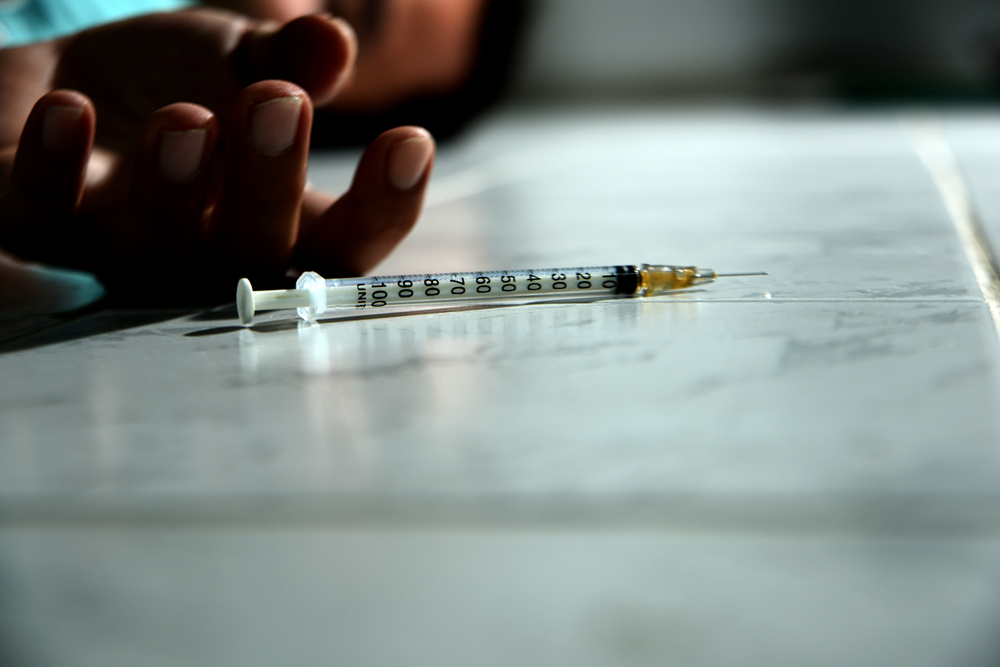
When families turn to a rehab center in Florida, they place their trust in a system meant to protect and heal. That trust runs deep because it comes from hope. Parents hope a child will finally recover. Spouses hope the person they love will find stability. And when something goes terribly wrong, that hope shatters in an instant.
If your family is grieving the loss of someone you love after an overdose in a Florida rehab center, you may be searching for answers that no one seems willing to give. Finding out what went wrong and whether the facility failed in its legal responsibilities can be the first step toward accountability and healing. A Florida lawyer experienced in rehab center negligence cases can guide you through this process and help you uncover the truth.
Schedule Your Free Consultation
Key Takeaways For Overdose and Wrongful Death in Florida Rehab Facilities
- Rehab centers must follow strict safety and supervision standards under Florida law.
- Fatal overdoses in treatment often point to negligence, including lack of monitoring or poor medical care.
- Families can pursue a wrongful death claim when a facility’s actions or inaction directly lead to a patient’s death.
- Florida’s Wrongful Death Act provides a legal process for seeking justice and compensation.
- Legal support can help families uncover the truth and demand accountability while they focus on healing.
What Constitutes a Wrongful Death in a Florida Rehab Center?
Families place immense trust in rehab centers to protect their loved ones during recovery. When that trust is broken and a patient dies under suspicious or preventable circumstances, it’s natural to wonder if something went wrong that should not have.
In Florida, the law recognizes this possibility. Under Florida’s negligence statutes, a death caused by another party’s negligent or wrongful actions may give rise to a wrongful death claim.
In a rehab center, wrongful death might arise when a patient overdoses because staff failed to provide medical supervision, respond to warning signs, or follow required safety procedures. Florida law views addiction treatment facilities as healthcare providers with a duty to keep patients safe during one of the most vulnerable times in their lives.
That duty of care includes more than simply offering treatment. It means ensuring the patient’s well-being every hour they remain in the facility’s care. When that duty is breached and tragedy follows, families have the right to ask why — and to hold the responsible parties accountable.
What Can Go Wrong Inside a Florida Rehab Facility?
The goal of rehab is recovery, but the process can be physically taxing and emotionally intense. Patients in detox or early recovery are often fragile. They depend on trained professionals to keep them safe through that critical phase.
Unfortunately, some treatment centers cut corners. They may operate with too few nurses or with staff who lack proper medical training. Sometimes policies that look good on paper aren’t followed in real life.
Several patterns often emerge in cases involving fatal overdoses in treatment settings:
- Missing or delayed medical intervention during detox
- Staff ignoring clear signs of distress or overdose symptoms
- Poor security allowing access to substances
- Medication errors involving detox prescriptions
- Failure to call emergency services in time
Each of these breakdowns represents a preventable loss. For families, knowing these warning signs can help clarify whether their loved one’s death was a tragic accident or a result of negligence that never should have happened.
Florida’s Legal Standards for Rehab Facilities
Every rehab facility in Florida operates under the oversight of the Florida Department of Children and Families (DCF). The DCF requires facilities to meet specific licensing, safety, and staffing standards that protect patients in recovery.
Those standards include everything from how patients are monitored to how staff respond in emergencies. Facilities must document care, maintain secure environments, and ensure that medications are properly administered.
When these requirements aren’t met, the consequences can be devastating. Families who suspect wrongdoing have the right to request records, review reports, and seek independent investigations to learn whether the facility followed the law.
A facility that disregards its obligations under DCF regulations by failing to supervise, staff adequately, or provide timely medical care may be found negligent under Florida’s wrongful death law.
Breach of Duty: When Negligence Leads to Loss
Negligence in rehab centers doesn’t always take the form of overt misconduct. Sometimes it looks like indifference — a lack of attention or urgency when a patient’s condition worsens. In legal terms, this is called a breach of duty, meaning the facility failed to meet the standard of care required by law.
When this breach directly contributes to a fatal overdose, the center may be held liable for wrongful death. Examples include:
- Ignoring withdrawal complications or medical emergencies
- Allowing untrained personnel to oversee detox patients
- Delaying hospital transfers for life-threatening symptoms
- Failing to keep contraband substances out of the facility
Proving breach of duty requires evidence, such as documentation, witness statements, and sometimes medical expert testimony. A wrongful death attorney can help families uncover these details through careful investigation and legal discovery.
Recognizing Signs of Negligence After a Fatal Overdose
Families often sense when something isn’t right. Maybe the timeline doesn’t add up, or the explanations from staff feel incomplete. While not every inconsistency signals wrongdoing, certain red flags should prompt closer scrutiny.
Here are some signs that negligence may have played a role:
- The facility delayed notifying the family about the incident
- Staff reports are vague or inconsistent
- Previous complaints or citations appear in public records
- There’s evidence of inadequate medical oversight or unqualified staff
Discovering these facts can be painful, but transparency is essential for healing and accountability. Legal action is sometimes the only way to bring those facts into the open.
Who Can File a Wrongful Death Claim in Florida?
Florida law gives specific rights to family members after a wrongful death. A personal representative, usually a close family member, files the claim on behalf of eligible survivors. These typically include a spouse, children, parents, or others financially dependent on the deceased.
Damages in a wrongful death case may address both emotional and financial losses. These can include:
- Funeral and burial expenses
- Loss of emotional companionship and parental guidance
- Lost income or financial support
- Medical costs incurred before the person’s passing
- The emotional suffering of surviving family members
Each case is deeply personal. For some families, pursuing a claim provides not only compensation but also a sense of justice and closure after an unthinkable loss.
Florida’s Comparative Negligence Rule
Florida follows a modified comparative negligence rule, which can influence how damages are awarded. In some cases, a facility may argue that the patient’s own actions contributed to the overdose — for instance, by using substances smuggled in from outside.
Even when that argument is raised, it doesn’t erase the facility’s responsibilities. Under the law, the amount of recovery may be reduced if the deceased was partly at fault, but the claim remains valid as long as the facility’s negligence played a substantial role.
A knowledgeable attorney can help ensure that the focus stays where it belongs — on whether the rehab center failed to uphold the standard of care it promised.
Building a Case: Proving Negligence in Rehab Wrongful Death Claims
Rehab centers aren’t automatically held responsible when a patient dies. Legal accountability must be proven through a careful investigation of what happened and what should have happened. Proving negligence requires clear evidence that the rehab center failed in its duty and that failure directly contributed to the death.
To pursue a wrongful death claim in Florida, your legal team must establish:
- Duty of care: the facility had a legal responsibility to protect the patient
- Breach of duty: the facility’s actions or omissions fell short of accepted standards
- Causation: the breach directly led to the fatal overdose
- Damages: the family suffered measurable losses as a result
Facts, not assumptions, must support each of these elements. That’s why early legal guidance is so critical. The sooner an investigation begins, the better the chance of securing accurate records, preserving witness testimony, and uncovering the full picture of what happened inside the facility.
How Attorneys Investigate Wrongful Death in Rehab Centers
Families often feel helpless when dealing with a facility that controls most of the information. But wrongful death attorneys can take specific steps to uncover the truth.
Investigative steps often include:
- Requesting medical and incident records from the rehab facility
- Interviewing witnesses, including former staff and patients
- Reviewing state inspection reports or licensing violations
- Consulting medical experts on detox and overdose response protocols
- Identifying surveillance footage or electronic logs (if available)
These cases rarely rely on a single document or mistake. Often, a pattern, such as missed signs, ignored protocols, and delayed responses, tells the real story. A skilled legal team knows how to connect those dots.
Statute of Limitations for Rehab Wrongful Death Lawsuits in Florida
Florida law limits the time survivors have to file a wrongful death lawsuit. In most cases, families have two years from the date of death to take legal action under the Florida Wrongful Death Act.
There are limited exceptions that may extend or shorten that window, especially if the death involves a government-run facility or the delayed discovery of wrongdoing. Once the deadline passes, the claim is generally barred, regardless of its merit.
This timeline makes it critical to consult a Florida wrongful death attorney as soon as possible after a loss. Even if you're unsure whether you have a case, finding clear answers early can protect your rights.
What Families May Gain From a Wrongful Death Claim
No lawsuit can undo a loss, and no settlement replaces a person’s presence. But legal action offers more than money. It offers acknowledgment — that your loved one’s life mattered, and that their death should not be ignored.
A successful claim can:
- Hold negligent rehab centers publicly accountable
- Expose unsafe practices that endanger other patients
- Provide financial support for grieving families
- Help prevent future tragedies through systemic change
Wrongful death claims aren’t about revenge. They’re about justice and transparency. And for many families, they’re a necessary part of the healing process.
Why Rehab Facilities Must Be Held to a Higher Standard
People entering rehab are often in the most fragile stage of their lives. Some are detoxing for the first time. Others are battling years of addiction. Every one of them is owed safety, structure, and competent care.
Licensed rehab centers accept this responsibility when they open their doors. When they fail by ignoring medical protocols, leaving patients unsupervised, or cutting corners on staffing, the results can be deadly.
Florida doesn’t allow rehab centers to hide behind complex law. If they accepted someone’s trust and then failed to protect them, the law offers a path for families to seek justice.
FAQs About Overdose and Wrongful Death in Florida Rehab Centers
What is the deadline for filing a wrongful death claim in Florida?
Most wrongful death claims in Florida must be filed within two years of the person’s death. Some exceptions apply depending on the circumstances. It’s important to speak with an attorney as soon as possible to preserve your rights.
What if my loved one used drugs while in rehab?
Even if the patient used drugs inside the facility, the rehab center may still be liable if it failed to provide proper supervision, security, or medical care. These facilities have a legal duty to prevent harm, especially during vulnerable periods like detox.
Can I file a claim if I’m not the spouse or child of the person who died?
Under Florida law, only certain family members can receive damages in a wrongful death claim. However, the personal representative of the estate files the claim on behalf of all eligible survivors. If you’re unsure about your role, a wrongful death attorney can help clarify your rights.
How much does a wrongful death lawyer cost?
Most attorneys who handle wrongful death cases in Florida work on a contingency fee basis, meaning you pay nothing up front. The attorney is paid only if the case is successful, typically through a percentage of the settlement or verdict.
What happens if the rehab center refuses to release records?
Legal action may be required to obtain records, especially if the facility is withholding key information. A lawyer can file formal requests and, if necessary, subpoena documents to get the evidence needed for your case.
Getting Help After a Rehab Overdose Tragedy

The aftermath of losing a loved one in a Florida rehab center is filled with unanswered questions. You may feel lost, angry, or simply numb. That’s natural. Grief doesn’t follow a schedule. But if you suspect that negligence played a role in your family’s loss, you don’t have to seek justice and compensation alone.
The Florida wrongful death attorneys at Spetsas Buist are here to help families uncover the truth, protect their rights, and seek full and fair compensation under the law. We offer compassionate, personalized support for families navigating these painful situations, and we take the time to understand your story.We’re not a settlement mill. We’re trial lawyers with the resources and resolve to hold powerful institutions accountable when they fail in their duty to protect those under their care. If your loved one died due to an overdose in a Florida rehab center, contact our Orlando office today at (321) 352-7588 or contact us online to schedule a free, no-obligation consultation.